Introduction
When people think of fire protection, they often imagine sprinklers, alarms, or extinguishers.
But there’s a silent, invisible hero that plays a critical role in saving lives and buildings — the fireproof intumescent seal.
These small strips, often hidden around doors and frames, are the first line of defense that keeps smoke and flames from spreading. Let’s take a closer look at how they work and why every fire door needs them.
What Is an Intumescent Fire Seal?
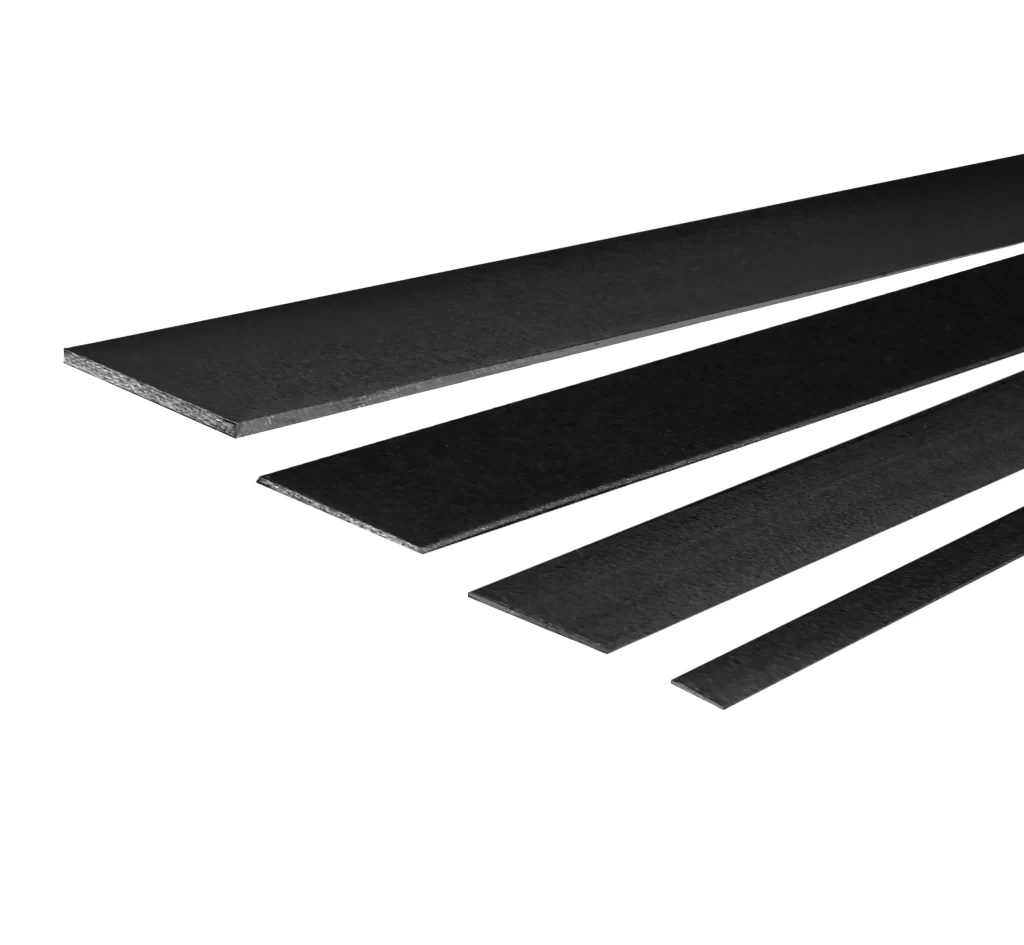
An intumescent fire seal (also called a fire door seal or intumescent strip) is a specially engineered material designed to expand when exposed to heat.
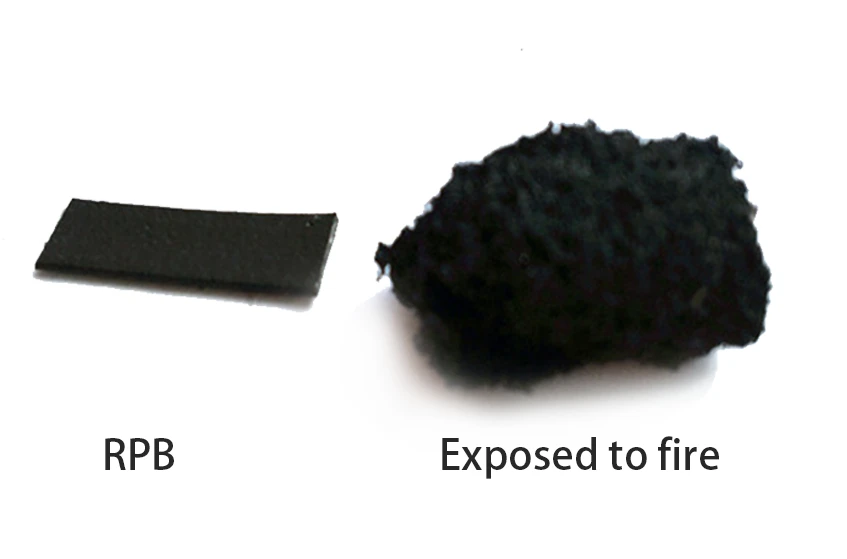
At normal room temperatures, the strip stays firm and almost invisible, sitting quietly between the door and frame. But in the event of a fire — when temperatures rise above 180°C — the material rapidly swells many times its original size, sealing the gaps around the door.
This expansion blocks fire, smoke, and toxic gases from moving through the cracks, helping to contain the blaze within a single room and giving occupants precious extra minutes to escape.
Why Are Fireproof Intumescent Seals So Important?
Fire spreads fast — and smoke even faster. In many fire incidents, it’s not the flames but the smoke inhalation that causes most casualties.
Fire seals:
- Prevent flames from passing through door gaps
- Reduce smoke and toxic gas movement
- Support the fire rating of the entire door assembly
- Help buildings meet international safety standards such as BS 476, EN 1634-1, and UL 10C
Without an intumescent seal, even a “fire-rated” door can fail to perform effectively, compromising the entire fire compartment system.
Where Are Intumescent Seals Used?
You can find these small but powerful components in almost every fire-protected area:
- Fire-rated wooden and steel doors
- Apartment entrances and hotel corridors
- Hospitals, schools, and public buildings
- Commercial offices and industrial facilities
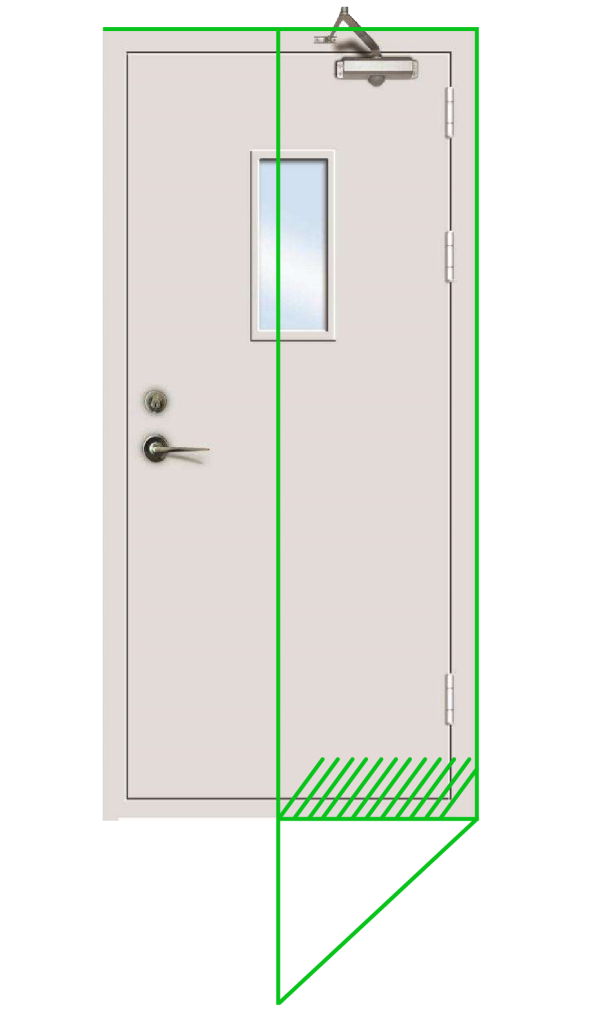
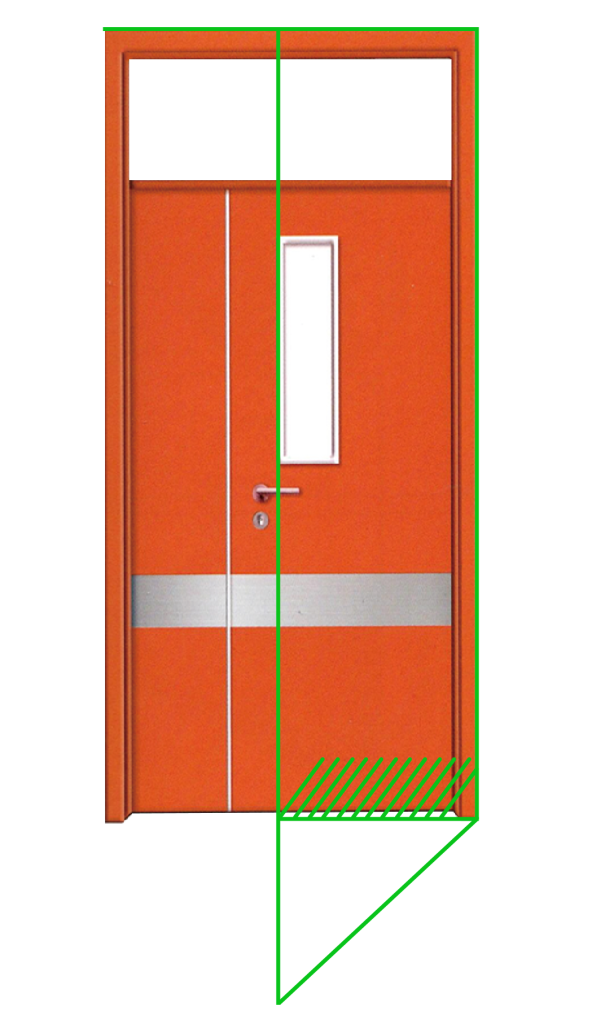
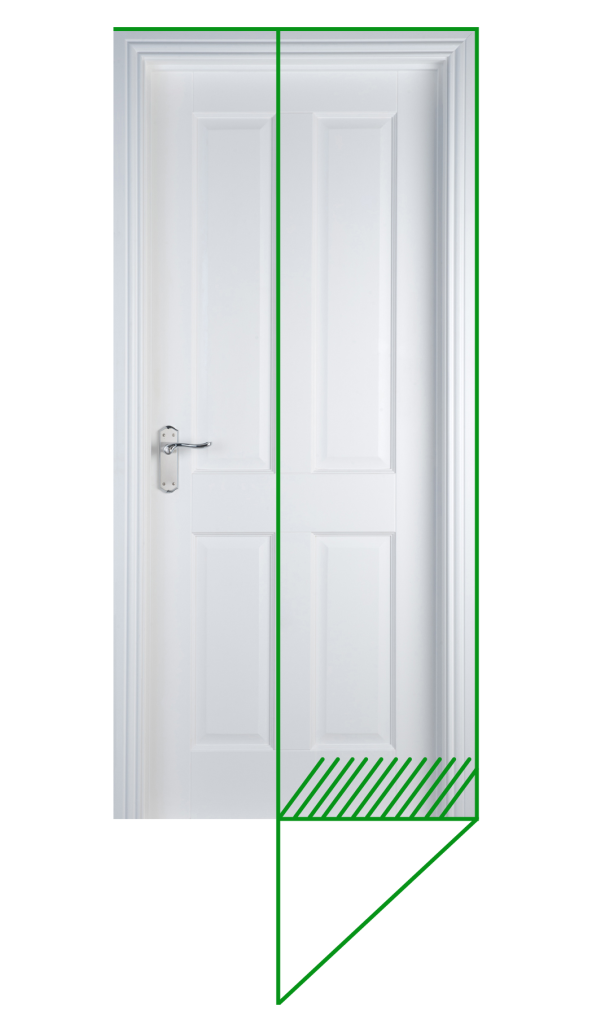
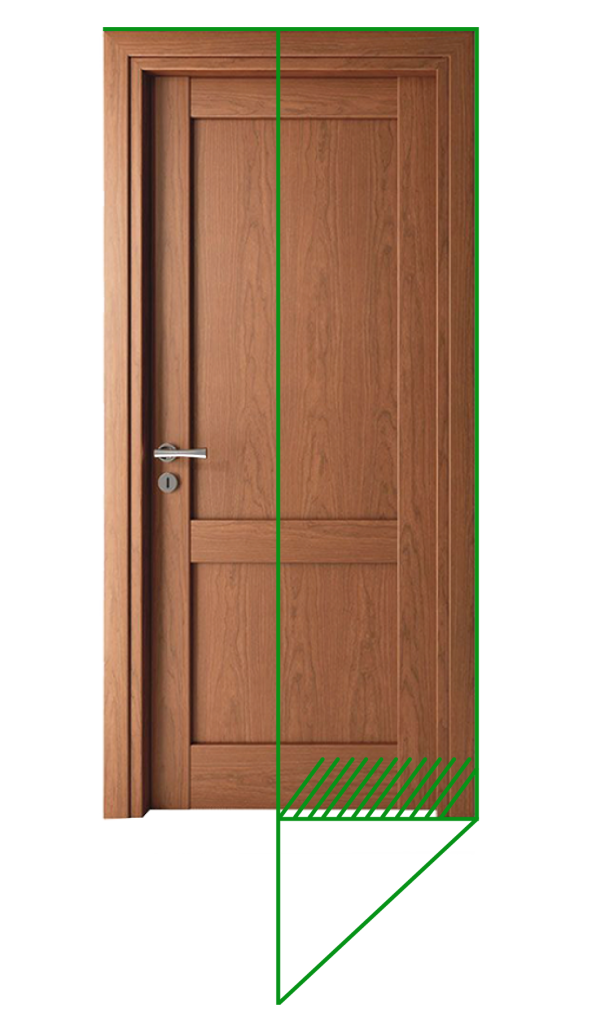
They are typically installed on all four edges of a fire door — either fitted into a groove in the frame or surface-mounted with adhesive backing.
Types of Fireproof Intumescent Seals
There isn’t just one kind of intumescent seal. Depending on the building’s needs, you’ll find:
- Plain intumescent strips — standard expansion protection

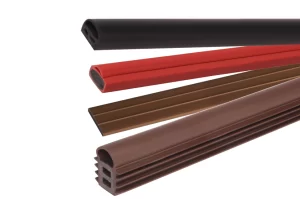
- Combined smoke & fire seals — include a brush or rubber fin to block cold smoke

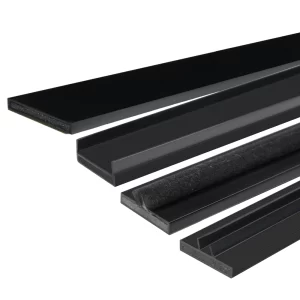
- Acoustic fire seals — offer both soundproofing and fire resistance
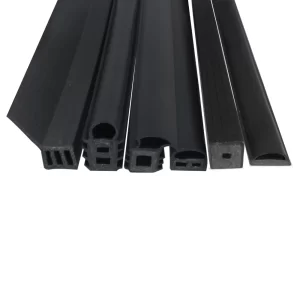
- Glazing seals — used around fire-rated glass panels

RPB-FGC Series for Fire Glass Surrounding Installation Diagram
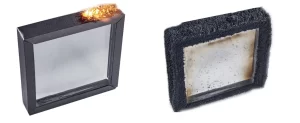
Choosing the right type depends on your door design, certification requirements, and the environment.
How to Choose Quality Seals
When selecting a fire seal, consider the following factors:
- Verified certification (UL / BS / EN approved)
- Expansion rate and activation temperature
- Compatibility with the door material
- Lifespan and storage conditions
High-quality seals like those produced by RESSASEAL undergo rigorous testing to ensure reliable performance during the most critical moments.
Maintenance Matters
Even the best fire seal needs regular inspection.
Look out for signs of peeling, cracking, or damage — especially around high-traffic doors.
Replacing worn-out seals is simple but crucial to maintain compliance and protection.
Conclusion
In fire safety, every second counts — and intumescent fire seals quietly buy you those seconds.
They are small, affordable, and often overlooked, but they make the difference between a controlled incident and a tragedy.
At RESSASEAL, we’re proud to provide durable, certified, and customizable intumescent fire seal solutions that protect people and property worldwide.
Whether you’re a builder, architect, or safety professional, understanding and using the right seal is an essential step toward safer buildings.