
1. Introduction: A Harsh Reality of Fire Safety
In the world of fire safety, there is a chilling but vital saying: “It’s the smoke that kills, not the flames.” Statistics consistently show that roughly 70% to 80% of fire-related fatalities are caused by toxic smoke inhalation. Smoke travels five to ten times faster than fire, filling hallways and rooms long before the heat even arrives.
This leads to a question many property managers and homeowners ask: “Since my fire door already has a fireproof intumescent seal installed, do I really need a separate smoke seal?”
The short answer: Absolutely.
2. Why an Intumescent Seal Alone Isn’t Enough
To understand the danger, we have to look at how these two materials “work” during an emergency:
The Fireproof Intumescent Seal: Think of this as your “passive” defender. It is designed to stay dormant until temperatures reach approximately 300°F – 400°F (150°C – 200°C). At that point, it chemically expands to fill the gaps between the door and the frame to block the flames.
The Problem: During the early stages of a fire, the “cold smoke” is deadly but not yet hot enough to trigger the expansion. This allows toxic gases to pour through the gaps freely.
The Smoke Seal (Brush or Fin): This is your “active” defender. Typically made of nylon bristles or rubber fins, it provides a physical barrier regardless of temperature.
The Benefit: From the very second a fire starts—long before the heat reaches the door—the smoke seal blocks the passage of cool, lethal smoke and carbon monoxide.
Expert Quote: “The intumescent seal saves the building structure; the smoke seal saves the lives inside it.”
3. Compliance & Codes: It’s More Than Just a Suggestion
According to modern American building codes and fire safety standards (such as NFPA 80 or UL listings), fire doors in high-occupancy buildings or exit corridors are often required to be “smoke-rated.”
Fire-Rated: Ensures the door can withstand a fire for 20, 60, or 90 minutes.
Smoke-Rated (S-Label): Indicates the door assembly has been tested to limit air (smoke) leakage.
If your fire door lacks a proper smoke seal, it may fail a professional fire inspection, leading to costly fines or, worse, legal liability in the event of an accident.
4. The Best Solution: 2-in-1 Combined Seals
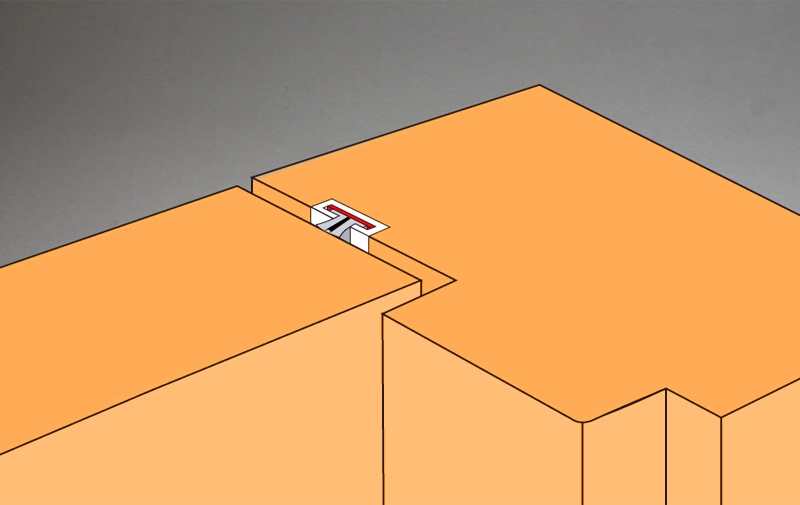
You don’t have to choose one over the other. The industry standard for high-end safety is the “Combined Fireproof Intumescent and Smoke Seal.” This product features a core of intumescent material with an integrated brush or rubber fin.
At Room Temperature: The brush/fin blocks drafts, noise, and cold smoke.
During a Fire: The graphite-based core expands to create a permanent “char” barrier against extreme heat and flames.
5. Conclusion: Don’t Compromise on a Few Millimeters
Often, a smoke seal is omitted just to save a few cents on material costs. However, in a real-world fire, those few millimeters of open space are the difference between a safe evacuation and a tragedy.
Your Action Plan:
Inspect your fire doors today. Is there only a flat, plastic strip in the frame?
If you don’t see a brush or a rubber “fin,” your door is likely not protecting you from smoke.
Is your property up to the latest fire safety codes? Don’t wait for an inspection to find out. Whether you need a bulk upgrade for a commercial complex or a single seal for your home, our technical consultants are here to help. Contact us today for a professional fire safety assessment.
